

Why Is Accurate Specimen Identification Important in Pathology?
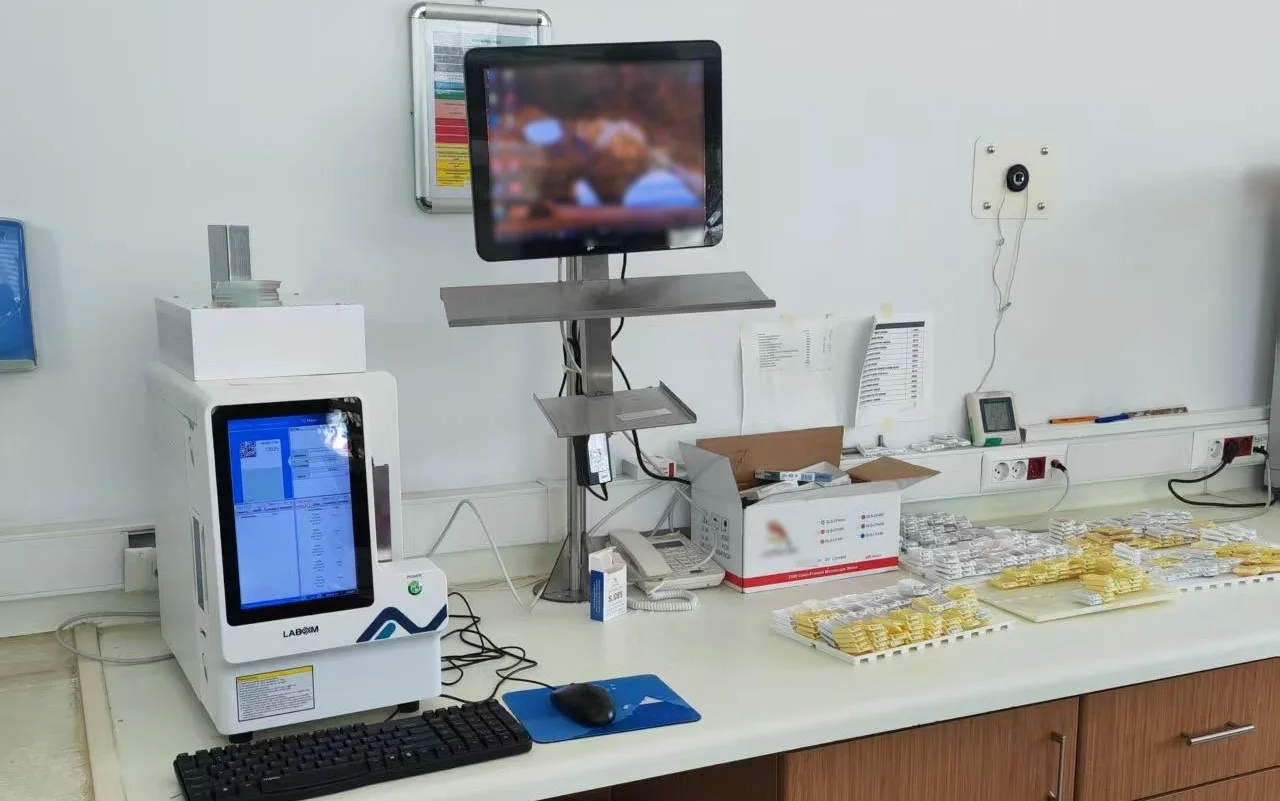
In pathology, accurate specimen identification is the foundation for connecting a patient with the correct specimen, diagnostic information, and final report. An identification error can affect more than a single label. It may lead to specimen rejection, repeat testing, workflow delays, or, more seriously, incorrect diagnostic or treatment decisions. As pathology laboratories handle increasing workloads and adopt more automated and digitally connected processes, reliable identification is becoming an increasingly important part of workflow quality and traceability.
Specimen Identification as the Foundation of Pathology Workflow
In pathology, accurate specimen identification provides the link between a patient, the specimen collected from that patient, and the diagnostic information generated throughout the laboratory process. Identification data can follow a specimen through accessioning, tissue processing, cassette preparation, slide preparation, testing, and reporting. This makes specimen identification a fundamental part of workflow integrity, with its value extending well beyond the physical label attached to a specimen.
The distinction between identification and labeling is useful here. Labeling is the physical process of placing information on a specimen or laboratory consumable, while identification refers to maintaining the correct association between that information and the specimen throughout the workflow. A reliable pathology process therefore depends on consistent identifiers across specimens, tissue cassettes, slides, and associated digital records.
The Impact of Accurate Specimen Identification
Accurate identification affects several interconnected aspects of pathology operations. Its importance becomes clearer when the specimen is considered as part of the complete diagnostic process.
Patient Safety and Diagnostic Reliability
The most critical role of specimen identification is maintaining the correct connection between the patient and the specimen. Patient identifiers, accession numbers, specimen information, and other relevant data must remain correctly associated as the case moves through the laboratory.
An identification error can create risks such as specimen rejection, recollection, delayed diagnosis, or incorrect association of diagnostic information with a patient. Even when an error is detected before reporting, additional verification and corrective work may be required.
Accurate identification therefore supports diagnostic reliability by establishing the correct information chain from the beginning of the pathology process.
Workflow Efficiency and Turnaround Time
Identification errors also have operational consequences. A mislabeled or unreadable specimen may require manual verification, additional documentation, specimen recollection, or repeat processing. Each intervention adds work to an already complex laboratory workflow.
Consistent identification can reduce these interruptions and support smoother movement between different processing stages. This becomes particularly relevant in laboratories handling high specimen volumes, multiple case types, or increasingly automated workflows.
End-to-End Specimen Traceability
Traceability depends on maintaining a consistent identity as a specimen changes form.
A pathology case may progress from a primary specimen to tissue cassettes and then to multiple slides. Each physical item needs to remain associated with the correct case and patient information. This creates a continuous chain: Specimen → Tissue Cassette → Slide → Diagnostic Process → Report
When identifiers remain consistent across these stages, laboratories have a stronger foundation for tracking specimens, investigating discrepancies, and maintaining reliable records.
Data Integrity in Digital Pathology Workflows
Modern laboratories increasingly connect physical specimen handling with LIS, LIMS, barcode systems, and automated equipment. As more information moves between digital systems and physical laboratory consumables, identification becomes a data integrity issue as well as a labeling issue.
A correctly generated barcode or printed identifier can provide a machine-readable connection between laboratory information and the physical specimen. This supports more consistent information transfer and reduces dependence on repeated manual data entry.
Emerging Trends in Pathology Specimen Identification
The role of specimen identification is evolving alongside pathology laboratory automation. Increasing workload, digital integration, and demand for traceable workflows are encouraging laboratories to place greater emphasis on how identification information is generated, transferred, and verified.
From Manual Labeling to Automated Identification
Manual writing and data entry remain potential sources of transcription and readability problems. Automated identification technologies can generate standardized text and machine-readable codes directly from laboratory information.
Barcode-based identification is particularly relevant because the same identifier can support both human verification and automated scanning. This creates a more consistent connection between the laboratory information system and physical specimens.
From Individual Labels to Connected Workflows
Identification is also moving beyond individual labeling points. Modern pathology workflows increasingly consider how information remains connected across multiple processing stages.
A specimen identifier may need to remain consistent when tissue is transferred into a cassette, processed, embedded, sectioned, and placed onto slides. This makes identification part of the broader workflow architecture instead of an isolated laboratory task.
From Identification to Digital Traceability
Digital pathology is strengthening this connection further. LIS and LIMS integration, barcode scanning, automated printing, and digital tracking can create a more structured information trail across the laboratory.
As a result, specimen identification is increasingly becoming a foundation for traceable pathology workflows, linking physical materials with digital case information from specimen receipt through reporting and archiving.
Practical Approaches to Improving Specimen Identification Accuracy
Several workflow practices can contribute to more consistent identification.
Standardize Identification Information
Consistent formats for patient identifiers, accession numbers, specimen descriptions, and barcodes can make information easier to verify across different processing stages.
Reduce Manual Data Entry
Direct transfer of information from laboratory systems to printers or other connected equipment can reduce repeated transcription. This is especially useful when the same case information needs to appear on multiple laboratory consumables.
Use Machine-Readable Identification
Barcodes provide a practical way to connect physical specimens with digital records. When combined with readable text, they can support both visual verification and automated data capture.
Connect Identification With the Laboratory Workflow
The greatest value comes when identification technologies work as part of the wider pathology workflow. Connections between LIS or LIMS, printers, scanners, and specimen-processing processes can help maintain consistent information as a case moves through the laboratory.
Automated Printing for Consistent Specimen Identification
Automated printing provides a direct link between digital case information and physical pathology consumables. It allows standardized identification data to be reproduced consistently across different stages while supporting clearer and more traceable workflows.
Slide Printers for Reliable Slide Identification
Slide printers can print case-specific information directly onto pathology slides, providing a consistent alternative to manual slide labeling. Depending on the workflow, printed information can include identifiers, accession numbers, barcodes, and other relevant case data. For laboratories handling a high volume of slides, automated slide printing can improve identification consistency and support the connection between digital records and physical slides.
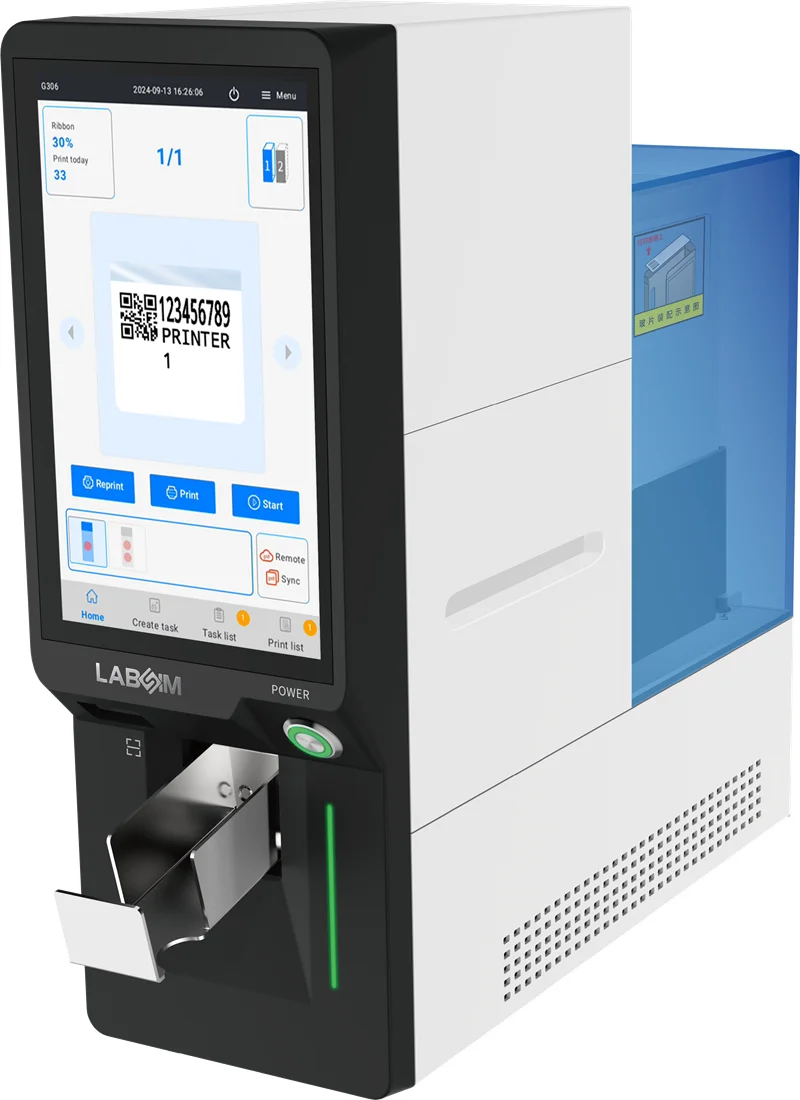
Labsim G306 Slide Thermal Printer
Tissue Cassette Printers for Earlier Specimen Identification
Identification also plays an important role before tissue reaches the slide preparation stage. Tissue cassette printers can apply case-specific information directly to cassettes, helping maintain specimen identity during tissue processing and embedding.
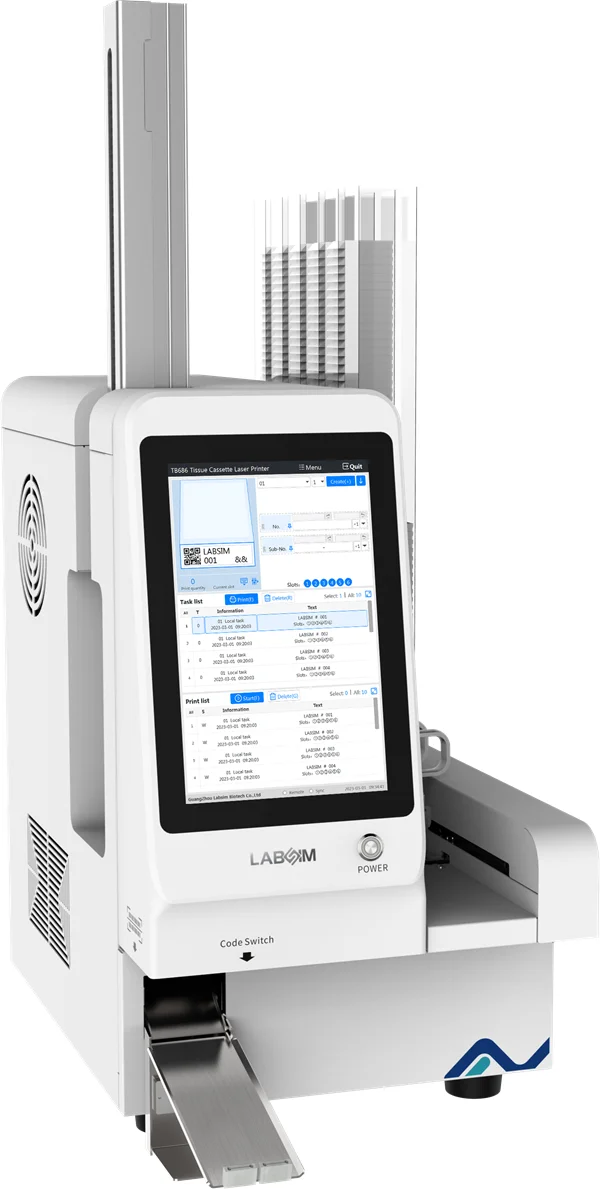
Labsim TB686 Tissue Cassette Laser Printer
Using cassette and slide printing together creates a more continuous identification chain across the pathology workflow. The same case information can remain associated with the specimen as it moves from tissue handling to cassette preparation and eventually to microscopic examination.
Building a More Traceable Pathology Workflow
Accurate specimen identification provides the information foundation for a traceable pathology workflow.
Specimen identification connects patient information with tissue cassettes, slides, diagnostic processes, and digital records. As laboratories adopt automation, barcode identification, LIS or LIMS integration, and digital pathology technologies, this connection becomes increasingly important.
A well-structured identification system supports several aspects of laboratory performance, including patient safety, workflow consistency, data integrity, and specimen traceability. Automated slide and cassette printing can contribute to this structure by creating consistent identifiers at critical points in the specimen journey.
For laboratories looking to strengthen pathology workflow traceability, Labsim provides slide printing and tissue cassette printing solutions that can support standardized specimen identification from tissue processing through slide preparation.
Frequently Asked Questions
1. What is specimen identification in pathology?
Specimen identification is the process of maintaining the correct association between a patient, the collected specimen, and its related laboratory information throughout the pathology workflow. It can involve patient identifiers, accession numbers, specimen information, barcodes, and other case-specific data.
2. What can happen when a pathology specimen is incorrectly identified?
Incorrect identification can lead to specimen rejection, additional verification, recollection, processing delays, or incorrect association of diagnostic information. The impact depends on when the error is detected and the stage of the pathology workflow involved.
3. How does barcode technology improve specimen identification?
Barcodes provide a machine-readable identifier that can connect a physical specimen with its digital record. Scanning can support faster data capture and reduce repeated manual transcription across different workflow stages.
4. How is specimen identification related to pathology traceability?
Specimen identification establishes the identity that follows a case through the laboratory. When consistent identifiers are maintained across specimens, cassettes, slides, and digital records, laboratories have a stronger basis for tracking the movement and processing history of each case.
5. How can laboratories reduce specimen identification errors?
Common approaches include standardized identification formats, reduced manual data entry, barcode-based identification, automated printing, and integration between laboratory information systems and identification equipment. These measures can help improve consistency across the pathology workflow.
6. Can automated printing improve specimen identification?
Yes. Automated printing can transfer case information from laboratory systems to physical slides and tissue cassettes with consistent formatting. It can support clearer identification, reduce repetitive manual labeling, and strengthen traceability across multiple stages of pathology processing.